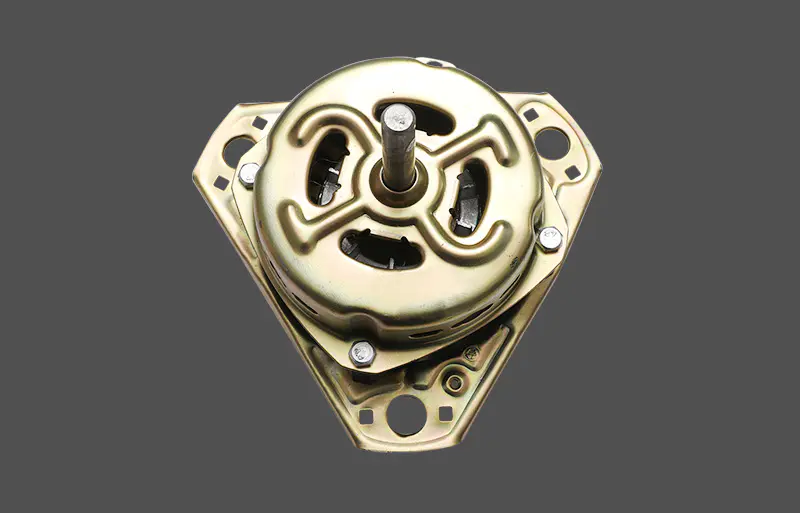
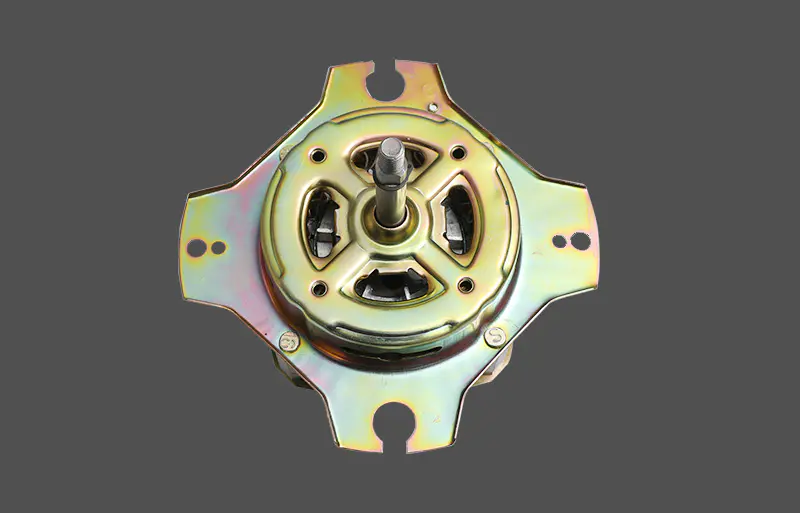
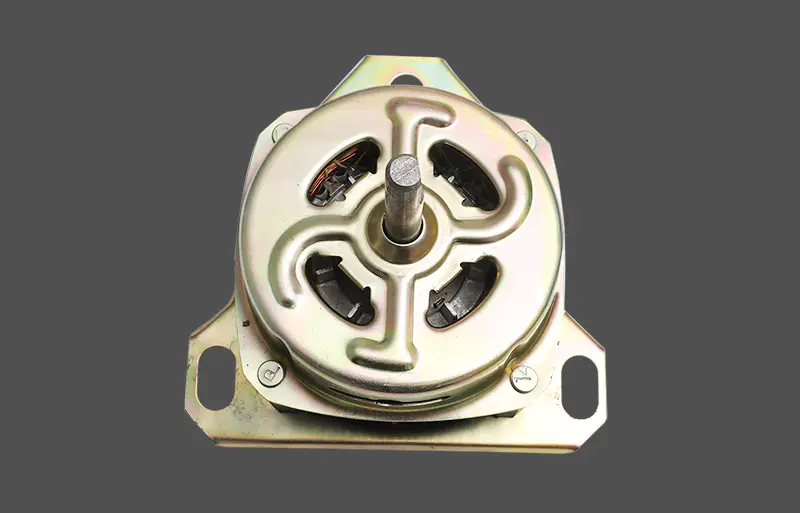
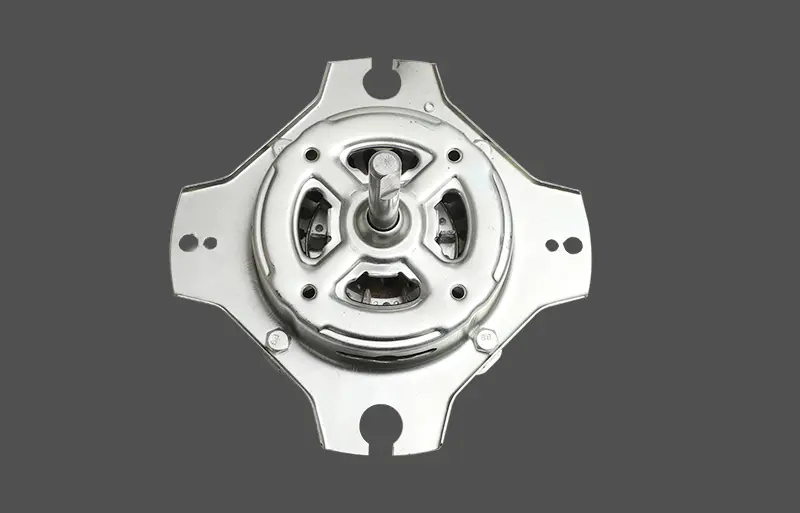
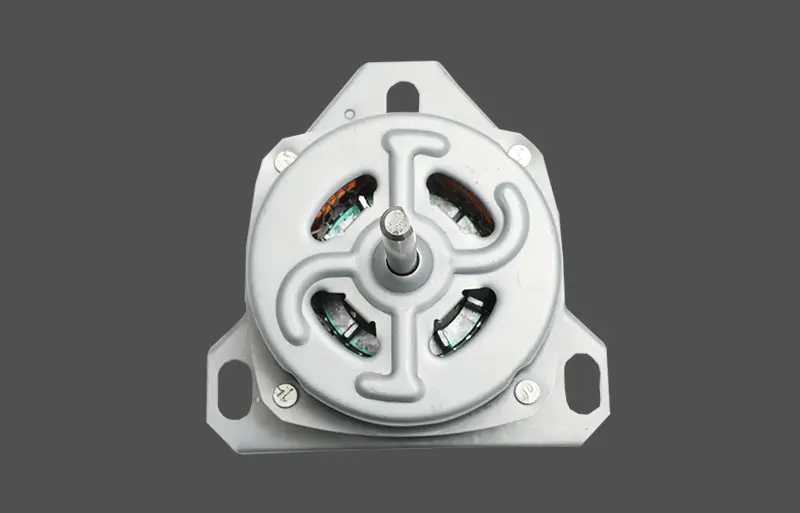
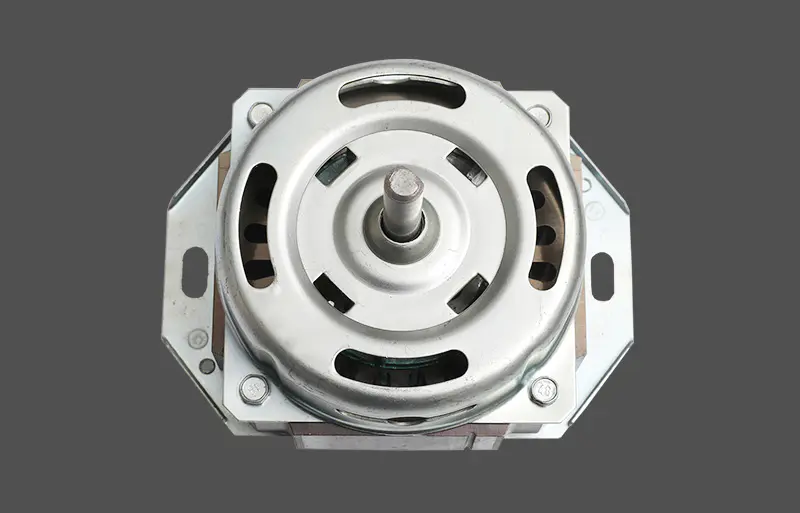
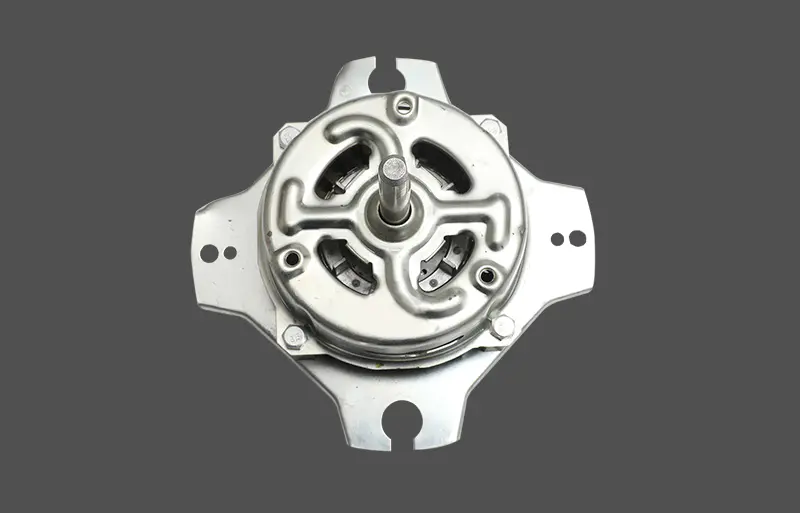
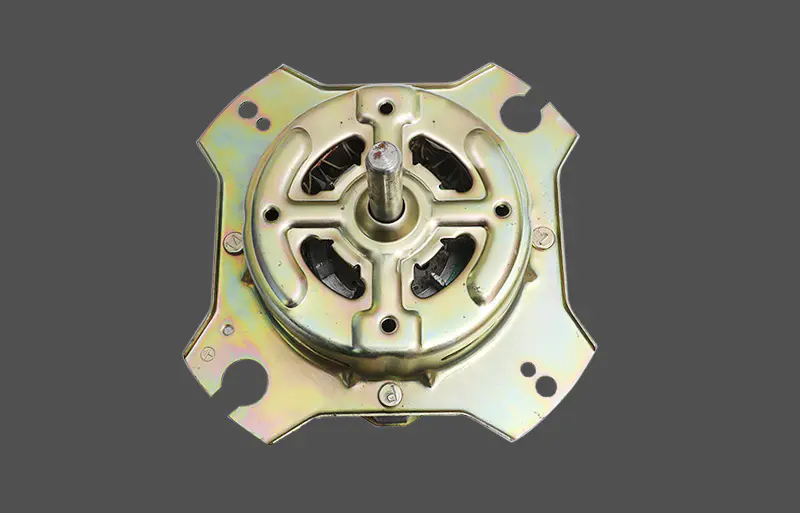
این موتور فن ایستاده جزء اصلی فن های خانگی و تجاری است. در حین کار، ممکن است دچار گرمای بیش از حد شود که می تواند بر طول عمر موتور و ایمنی عملیاتی تأثیر بگذارد. یک مکانیسم حفاظت حرارتی خوب طراحی شده برای عملکرد پایدار و دوام ضروری است. این مقاله مروری حرفه ای از اصول طراحی، انواع، مکانیسم ها و کاربردهای حفاظت حرارتی در موتورهای فن ایستاده ارائه می دهد.
اهمیت حفاظت حرارتی
سیمپیچهای موتور میتوانند در طول کارکرد طولانیمدت یا شرایط بار بالا از حد دمای ایمن فراتر رفته و منجر به پیری عایق، آسیب یاتاقانها و حتی فرسودگی موتور شوند. گرمای بیش از حد ممکن است خطرات آتش سوزی یا خطرات ایمنی الکتریکی را نیز به همراه داشته باشد. مکانیسمهای حفاظت حرارتی دمای موتور را در زمان واقعی کنترل میکنند و در صورت لزوم اقدامات حفاظتی را فعال میکنند و عملکرد قابل اعتماد را تضمین میکنند. در فن های ایستاده، حفاظت حرارتی نه تنها از موتور محافظت می کند، بلکه کیفیت محصول و تجربه کاربر را نیز افزایش می دهد.
انواع مکانیسم های حفاظت حرارتی
اینrmal protection in standing fan motors is generally categorized into mechanical and electronic types. Mechanical protection often uses bimetallic strips or thermal switches, which disconnect the circuit based on thermal expansion properties. Electronic protection employs temperature sensors or thermistors (NTC/PTC) to measure temperature, with control circuits determining whether to cut power or reduce load. Electronic protection offers faster response and higher accuracy, enabling multi-level temperature control and fault alarm functions. Mechanical protection is cost-effective and simple, commonly applied in low-power household fans.
اصل محرک حفاظت حرارتی
اینrmal protection activation is based on temperature detection and threshold judgment. Mechanical switches use thermal expansion to open contacts and disconnect power. Electronic protection converts temperature readings into voltage or resistance signals, allowing control chips to determine whether the motor exceeds preset temperature thresholds. When excessive heat is detected, the system can immediately cut power, reduce speed, or implement intermittent operation. Designers must consider sensor placement, response time, and hysteresis to avoid false triggers and ensure reliable protection.
پارامترهای کلیدی طراحی
پارامترهای کلیدی در طراحی حفاظت حرارتی شامل آستانه دما، زمان پاسخ، روش های تنظیم مجدد و محل نصب است. مقادیر آستانه بر اساس توان نامی موتور، کلاس عایق و محیط کار تعیین می شود، معمولاً حدود 120 درجه برای موتورهای فن خانگی. زمان پاسخ به طور مستقیم بر کارایی حفاظت تأثیر می گذارد. پاسخ سریعتر از آسیب موتور جلوگیری می کند. روش های بازنشانی شامل تنظیم مجدد خودکار و دستی است. تنظیم مجدد خودکار با عملکرد مداوم مناسب است، در حالی که تنظیم مجدد دستی ایمنی را در برنامه های پرخطر افزایش می دهد. سنسورها باید در نزدیکی نواحی سیم پیچی یا هات اسپات قرار گیرند تا دماهای بحرانی را به دقت منعکس کنند.
هماهنگی با اتلاف حرارت
اینrmal protection works best when combined with effective heat dissipation. Proper airflow design, installation of heat sinks, and blade arrangement reduce localized motor temperatures, improving protection accuracy. Good heat dissipation delays temperature rise, reducing frequent protective trips and extending motor lifespan. Thermal simulation can evaluate temperature distribution, ensuring the protection device functions at key hotspots.
ملاحظات قابلیت اطمینان و طول عمر
اینrmal protection devices in standing fan motors must exhibit high reliability and long operational life. Mechanical switches should withstand multiple thermal cycles without failure, while electronic sensors require high precision and resistance to electrical interference. Selecting high-quality materials, optimizing contact structures, and implementing moisture and dust protection enhance reliability. A robust thermal protection system prevents motor burnout and accidents during long-term use, ensuring product safety.